Ver-o-Peso
Complexo do Ver-o-Peso
On the shore of Guajará Bay, in the Boulevard Castilhos França complex, in Belém's Historic Center.
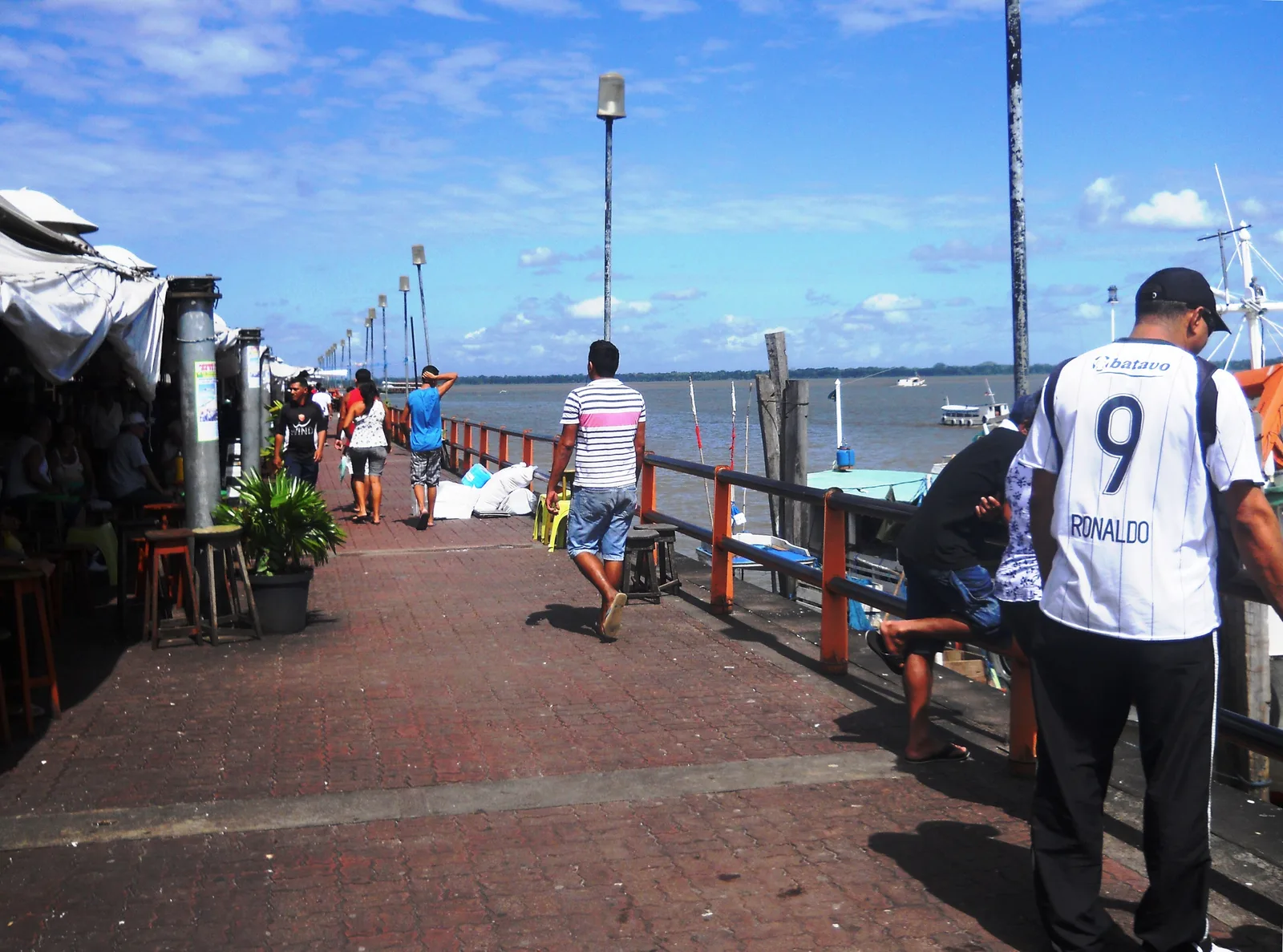
Ver-o-Peso is a historic public market where the Amazon arrives by boat, stall, and scent: fish, fruit, flours, herbs, and Pará cuisine shape one of Belém's most striking everyday landscapes.
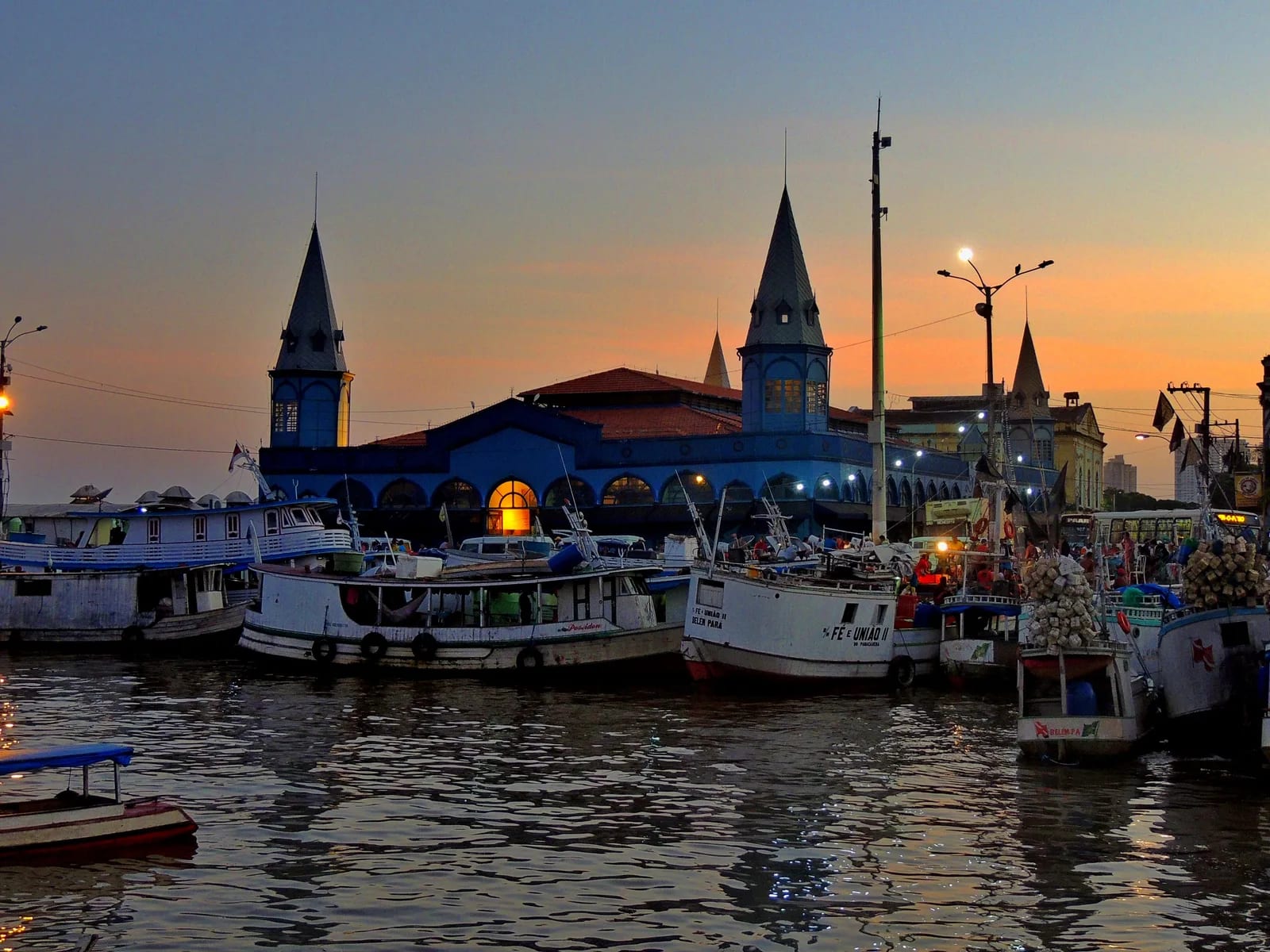
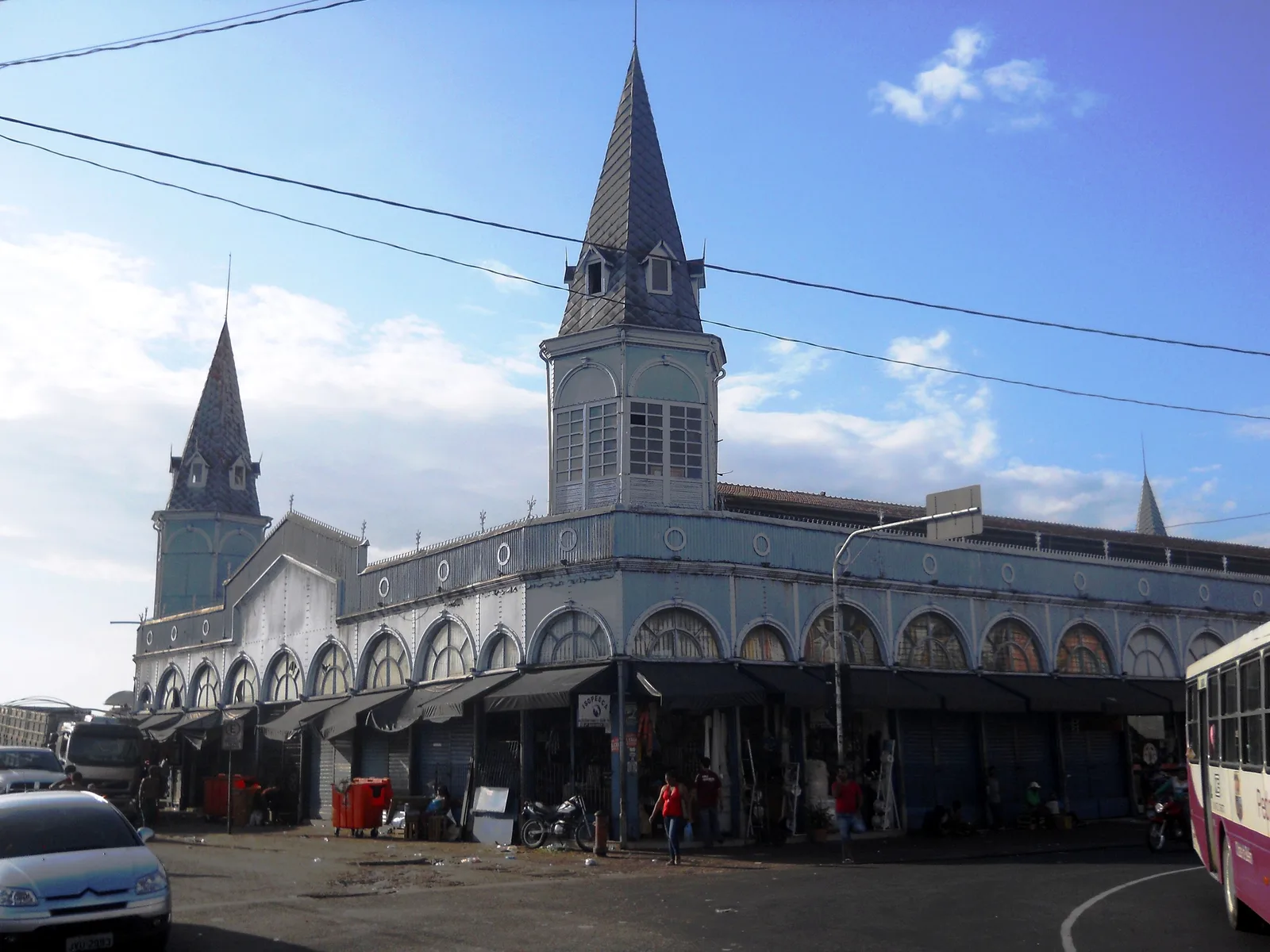
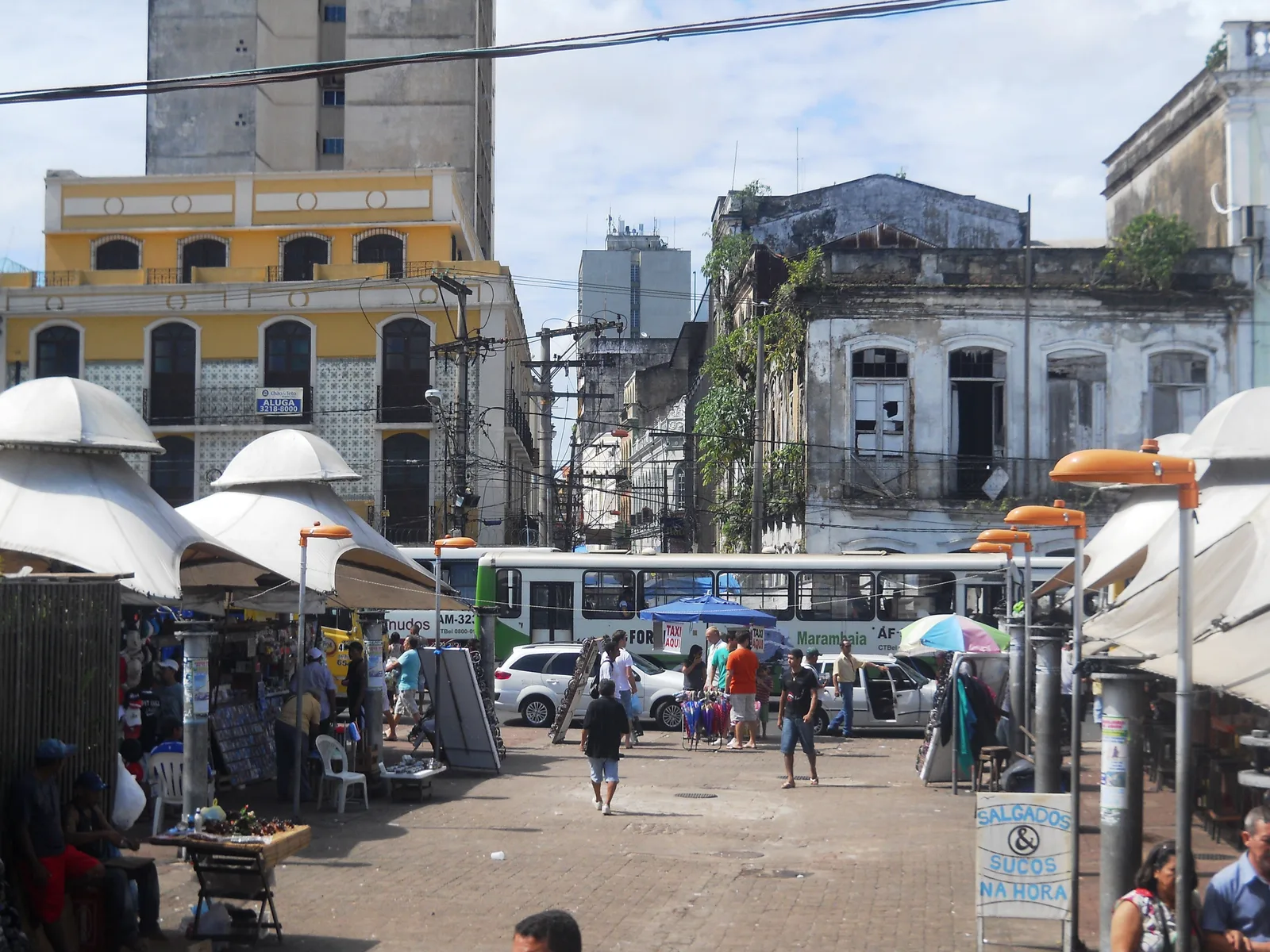
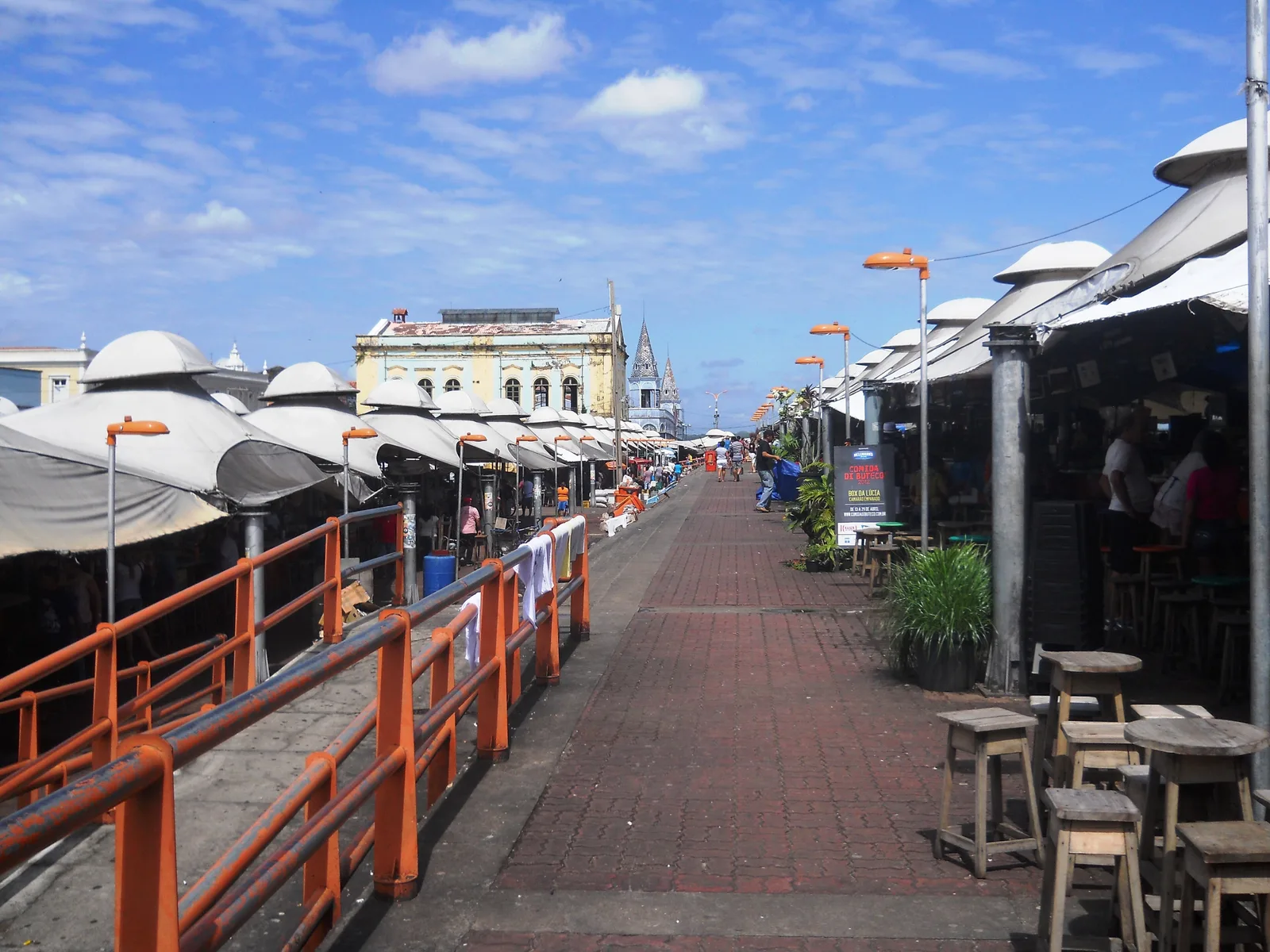
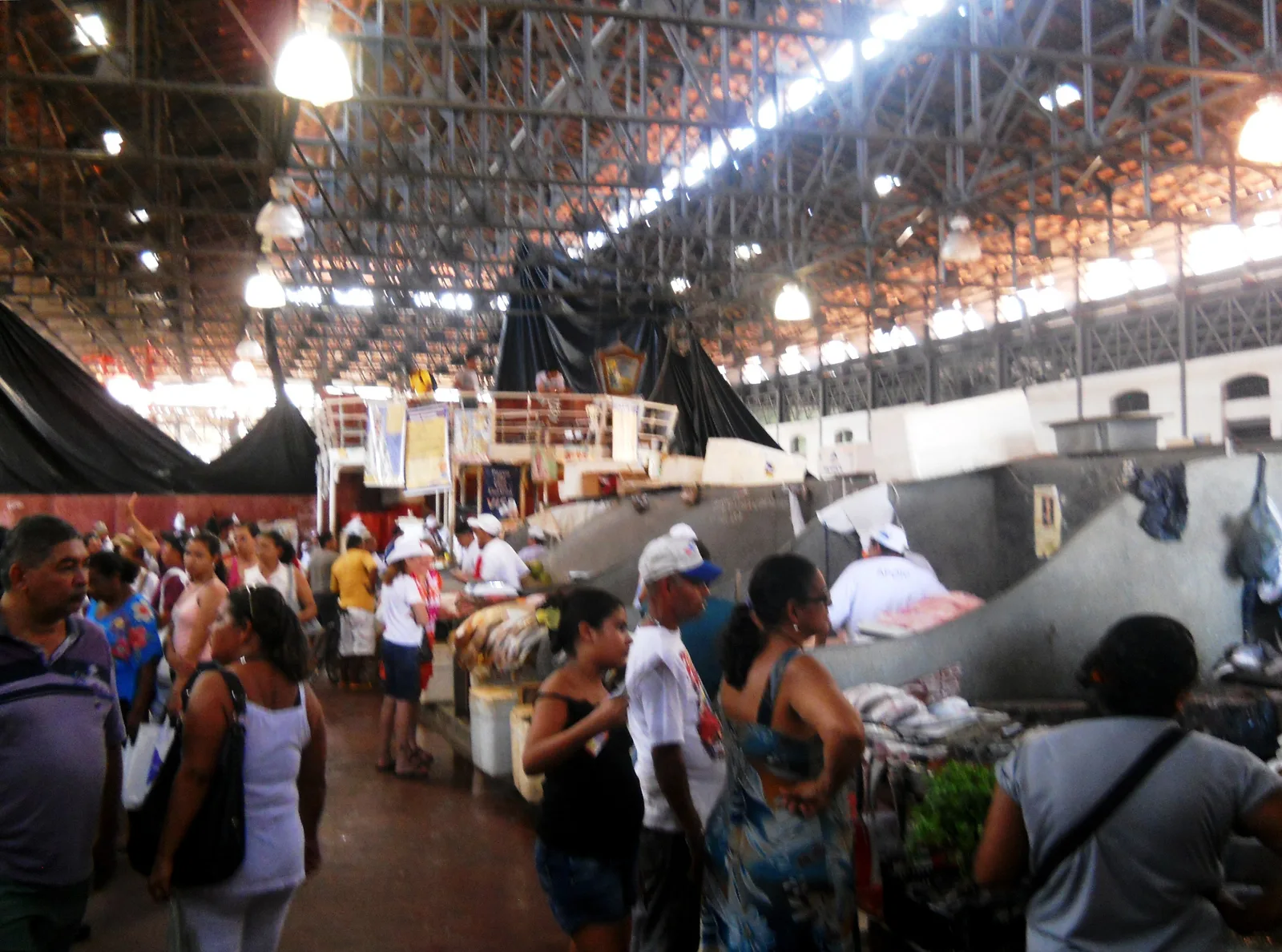
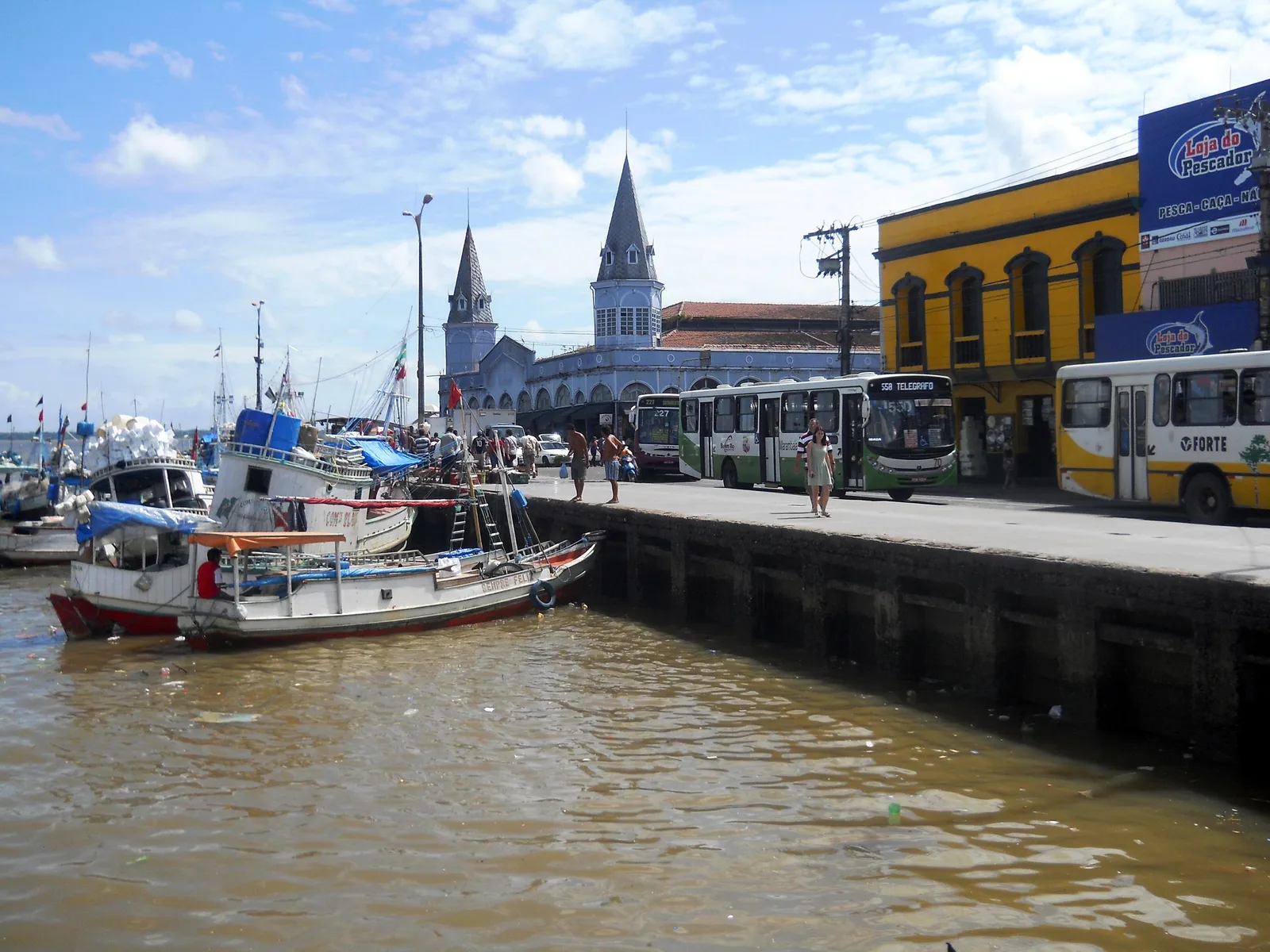
On the docks of Guajará Bay, the complex brings together the open-air market, Mercado de Ferro, Mercado de Carne Francisco Bolonha, Feira do Açaí, Pedra do Peixe, and Solar da Beira. Iron architecture and market halls stand alongside goods brought in from the islands and interior, while workers, shoppers, and visitors keep a commercial tradition linked to Amazonian rivers in motion.
🤔 Why does it matter?
Few places offer such an intimate sense of how food, popular knowledge, and river transport shape Amazonian urban life. The visit is more than admiring a postcard view: it brings travelers close to the ingredients, crafts, and conversations that make Belém a capital with a riverside identity.
📍 What to see
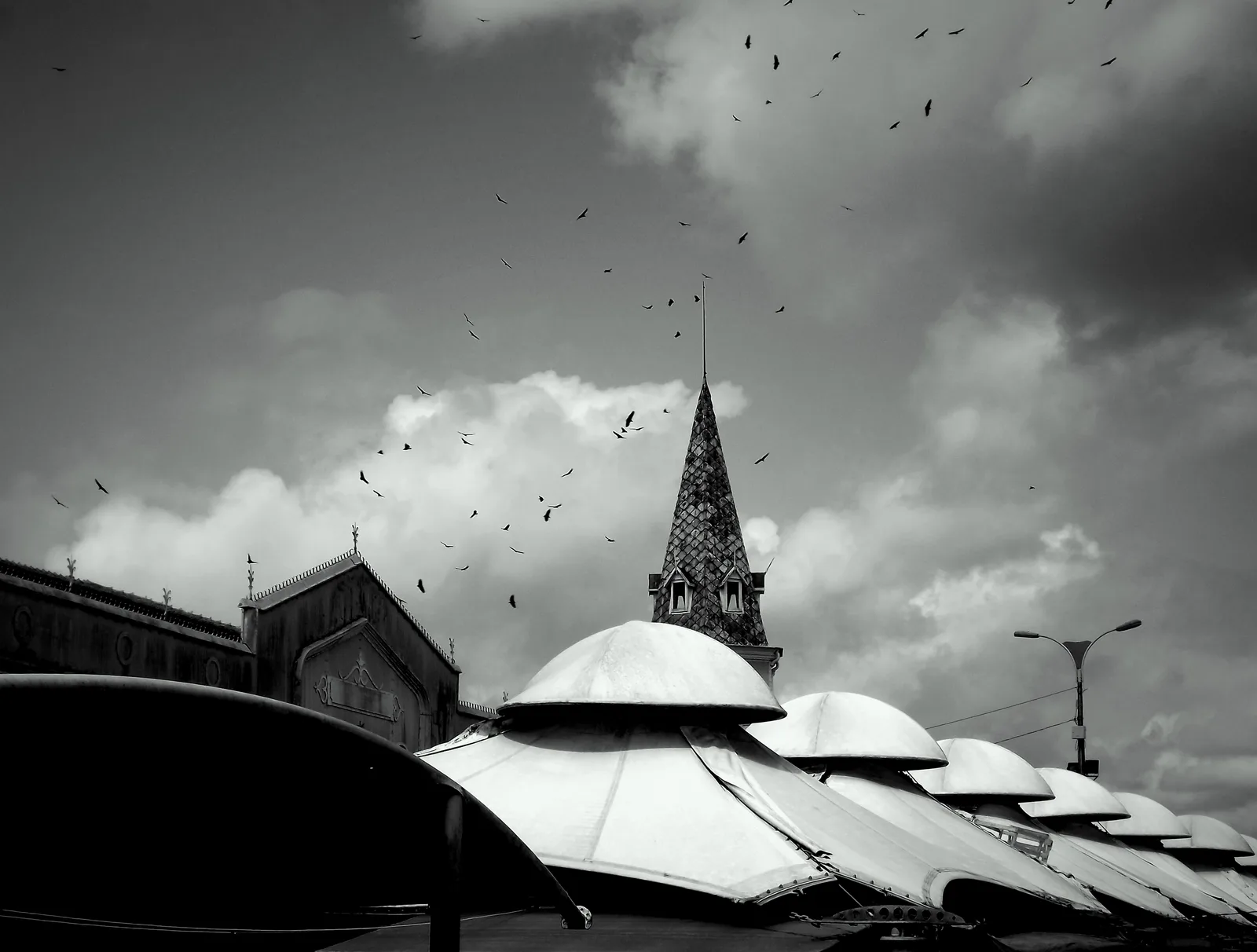
- The towers and metal structure of Mercado de Ferro by the waterfront
- Arriving boats and the unloading of goods at Feira do Açaí
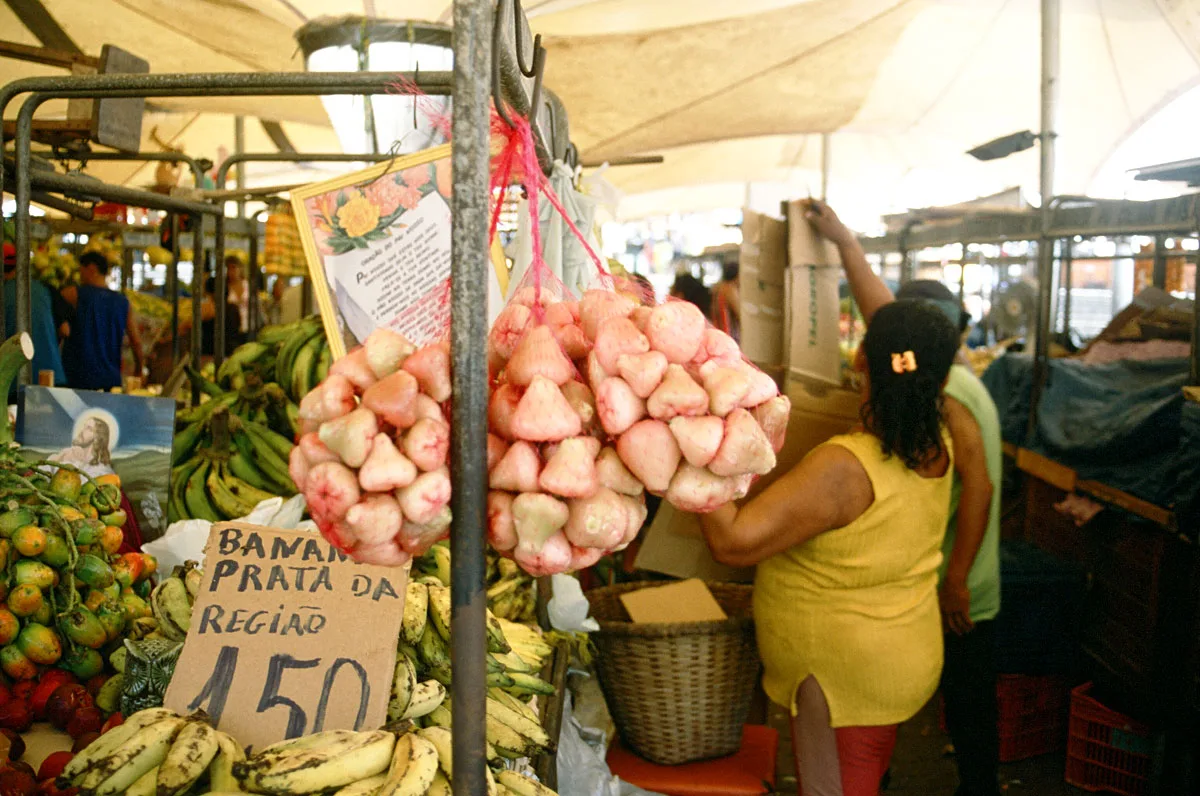
- Stalls selling fish, shrimp, fruit, flours, roots, and fruit pulps
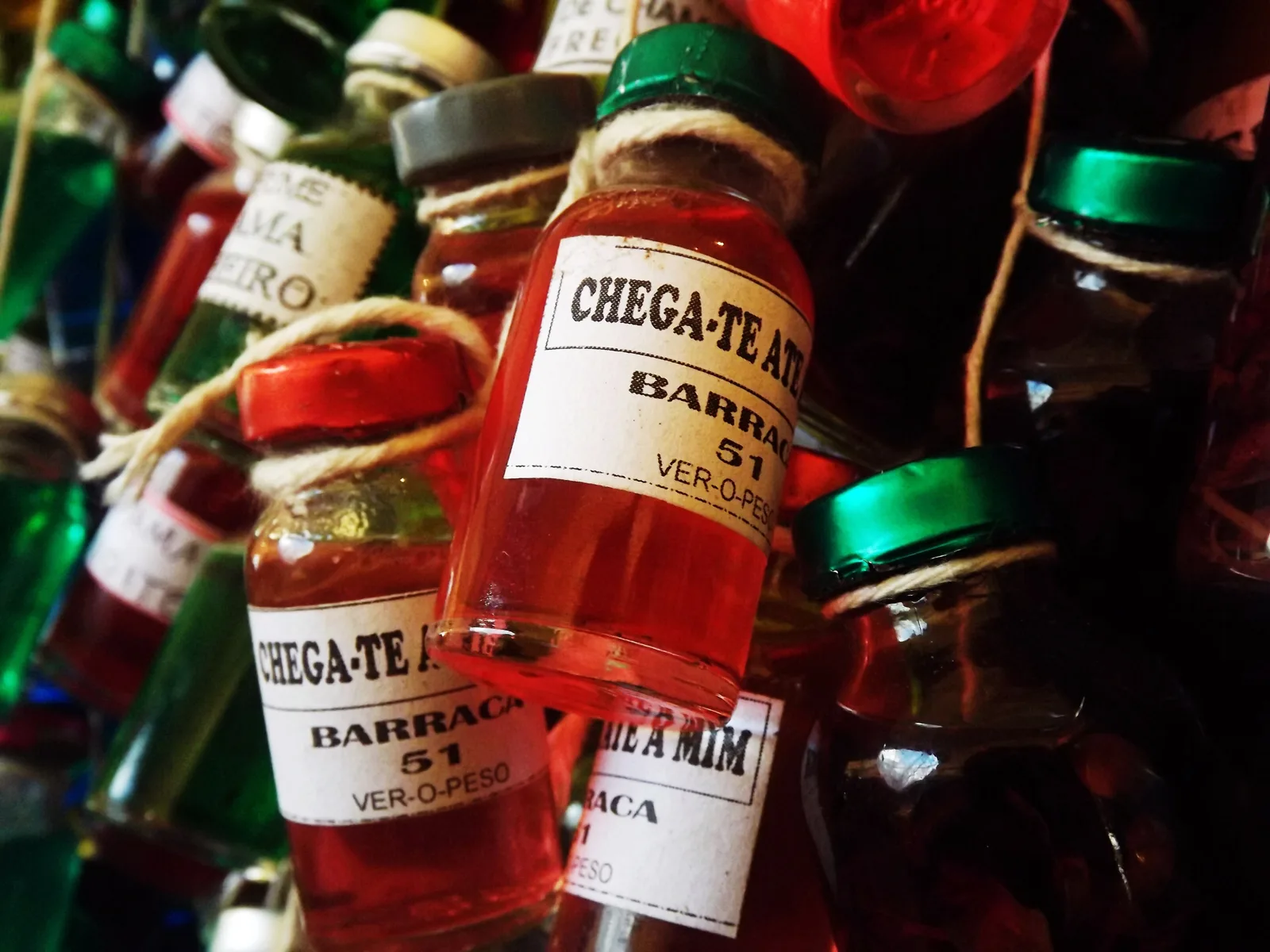
- Herbs, ritual baths, and garrafadas linked to Amazonian folk practices
- Mercado de Carne Francisco Bolonha and Praça do Relógio
🎒 Things to do
- Walk through the market early in the morning, when activity is at its most intense
- Try Pará dishes sold by the complex's licensed vendors
- Speak with stallholders about where the goods come from, without interrupting their work
- Photograph the architecture and riverside landscape while respecting those being pictured
- Continue on foot to the museums and monuments of the historic surroundings
✨ Recommended experiences
- Riverside dawn: begin at Feira do Açaí, follow the movement of the boats, then make your way through the fish and flour stalls.
- A route of flavors: choose a regional snack or dish, discover ingredients such as tucupi and jambu, and round out the morning with a visit to the fruit and herb section.
- A historic midday: pair Mercado de Ferro and Mercado Francisco Bolonha with Praça do Relógio, Forte do Presépio, and Casa das Onze Janelas.
- A photography visit: go early, favor the soft light, and look for details in ironwork, paneiros, boats, and facades without blocking working passageways.
🍽️ Local cuisine
🎶 Soundtrack
- Jamburana — Dona Onete
- Xirley — Gaby Amarantos
- Carimbó do Macaco — Pinduca
🎭 Local culture
🌿 Nature nearby
🌎 Biomes
🏞️ Natural features
🐾 Wildlife you may spot
🌱 Plants you may see
📅 Best time to visit
June through November generally favors walking and photography, as it includes relatively less rainy months; dawn is the best time to feel the market at work.
- ✅ Best time:
- June through November, preferably in the early hours of the day.
- 🟡 Shoulder season:
- December and May, when the visit remains rewarding with protection from rain and heat.
- 🔴 Less recommended:
- January through April, generally Belém's rainiest period.
- 📝 Notes:
- Showers are possible in any month. Plan to go early and stay flexible in case of heavy rain.
🧭 Getting there
🏙️ Base city: Belém
✈️ Airport: Belém International Airport – Val-de-Cans/Júlio Cezar Ribeiro (BEL)
- From the airport, take a taxi, ride-hailing service, or city bus to Belém's Historic Center.
- From central lodging, reach the site on foot during the day or by public transit to Boulevard Castilhos França.
- Use Praça do Relógio and Mercado de Ferro as landmarks for reaching the complex.
🚗 Local transportation
- Explore on foot at an unhurried pace, as the interest is spread among fairs, markets, docks, and squares.
- At busy times, keep to the side passages to avoid disrupting the movement of goods.
- A visit to the historic surroundings can continue on foot toward Feliz Lusitânia.
ℹ️ Practical information
- 🏗️ Infrastructure:
- High for an urban market, with diverse retail sections and services spread across the complex
- 🏨 Where to stay:
- There is no lodging in the market; the Historic Center and other Belém neighborhoods offer places to stay.
- 🍴 Food:
- Stalls and establishments offer meals, snacks, fresh products, and regional ingredients.
- 🧭 Guides and agencies:
- Belém tour guides may include the market in downtown itineraries; confirm accreditation and the meeting point in advance.
- 📶 Internet and signal:
- Mobile coverage may vary between open areas and buildings; there is no consolidated public information on visitor Wi-Fi.
- 💰 Estimated cost:
- There is no admission charge for public areas; spending depends on food, purchases, and transportation.
- 📝 Notes:
- No single official schedule was found. Opening times and operations vary by sector and stallholder.
♿ Accessibility
Level: consult local operators
The complex includes open areas and stretches of uneven paving, with heavy foot traffic and continuous commercial activity. Recent revitalization has improved specific sections, but mobility conditions should be confirmed for each point of access.
- Choose less crowded times if you need more room to move around.
- Wear sturdy shoes on rainy days or near the docks.
- Arrange for a companion or assistance in advance if you use a mobility device.
⚠️ Safety
🚨 Real risks
- Wet or slippery floors after rain and in loading areas
- Heavy flow of people, carts, and goods
- Opportunistic theft in crowded places
- High heat and humidity
✅ Recommended care
- Keep documents, phone, and money discreet and close to your body.
- Do not walk through the docks' work areas or cross freight movement without paying attention.
- Stay hydrated, use sun protection, and bring a light rain jacket.
- In an emergency, seek out public officials or identified establishments.
⛔ When to avoid: Avoid going alone through quiet areas outside daylight hours, and postpone your visit if heavy rain causes local flooding.
📝 Checklist — what to bring
- Water bottle
- Hat or cap
- Sunscreen
- Packable rain jacket
- Non-slip footwear
- Small, closed bag
- Charged phone
✈️ Travel tips
- Set aside two to three hours to take in the market's rhythm without turning the visit into a rush.
- Ask the price before buying, and carry some cash without displaying large amounts.
- Ask permission before taking close portraits of people or stalls.
- Pair Ver-o-Peso with other Historic Center sites during the same part of the day.
- Try foods prepared to order, and favor vendors who maintain good food-handling conditions.
💡 Fun facts
- According to an IPHAN record, the heritage complex covers about 35,000 square meters (8.6 acres).
- In 2026, Belém City Hall reported an estimated daily flow of 20,000 people through the complex.
- Mercado de Carne was built in 1867 and took the name Francisco Bolonha after the remodeling inaugurated in 1908.
- Mercado de Ferro's structure was designed by engineers Bento Miranda and Raymundo Vianna.
🤔 Did you know?
- The name Ver-o-Peso refers to the former official weighing of goods arriving at the port.
- In Belém custom, açaí can accompany fish and flour rather than appear as a dessert.
- The market's relationship with boats remains alive: some of the goods sold arrive by river.
📜 History and context
The market is dated to 1627 by the municipal administration. Its origins lie in the former Casa do Ver-o-Peso, a Portuguese Crown post intended to inspect cargo and collect taxes in the port area. After the tax house disappeared, markets and fairs became established on the docks; construction of Mercado de Ferro began in 1899, helping set the place's present-day silhouette.
🌍 Global importance
The complex has appeared on Brazil's UNESCO Tentative List since 2014 as a cultural candidate not yet inscribed on the World Heritage List. Its nomination highlights the continuity of an Amazonian market that has brought together architecture, port landscape, and the circulation of goods, knowledge, and people for centuries.
🗺️ Quick map (orientation)
📌 Main base: Belém's Historic Center
🧭 Landmarks
📍 Nearby places
Small discoveries
- Pará
- A federative unit of Brazil: Pará.
- Guajará
- The meeting of river and ocean waters; here, Guajará Bay.
- Belle époque
- An architectural style from the late 19th century, with cast iron and ornamental features.
- Garrafadas
- Mixtures of roots, bark, and herbs used in traditional infusions.
- Tucupi
- A sauce pressed from wild cassava, fermented and cooked until its toxins are removed.
- Jambu
- An Amazonian leaf that causes a light tingling sensation in the mouth.
- Maniçoba
- Cassava leaves cooked for a long time with meats and seasonings.
- BEL
- The IATA code for Belém airport.
- Boulevard Castilhos França
- The riverside thoroughfare in Belém's Historic Center.
- Praça do Relógio
- A landmark with a metal clock on the Ver-o-Peso waterfront.
- Peso
- An official scale used to weigh cargo and calculate taxes.